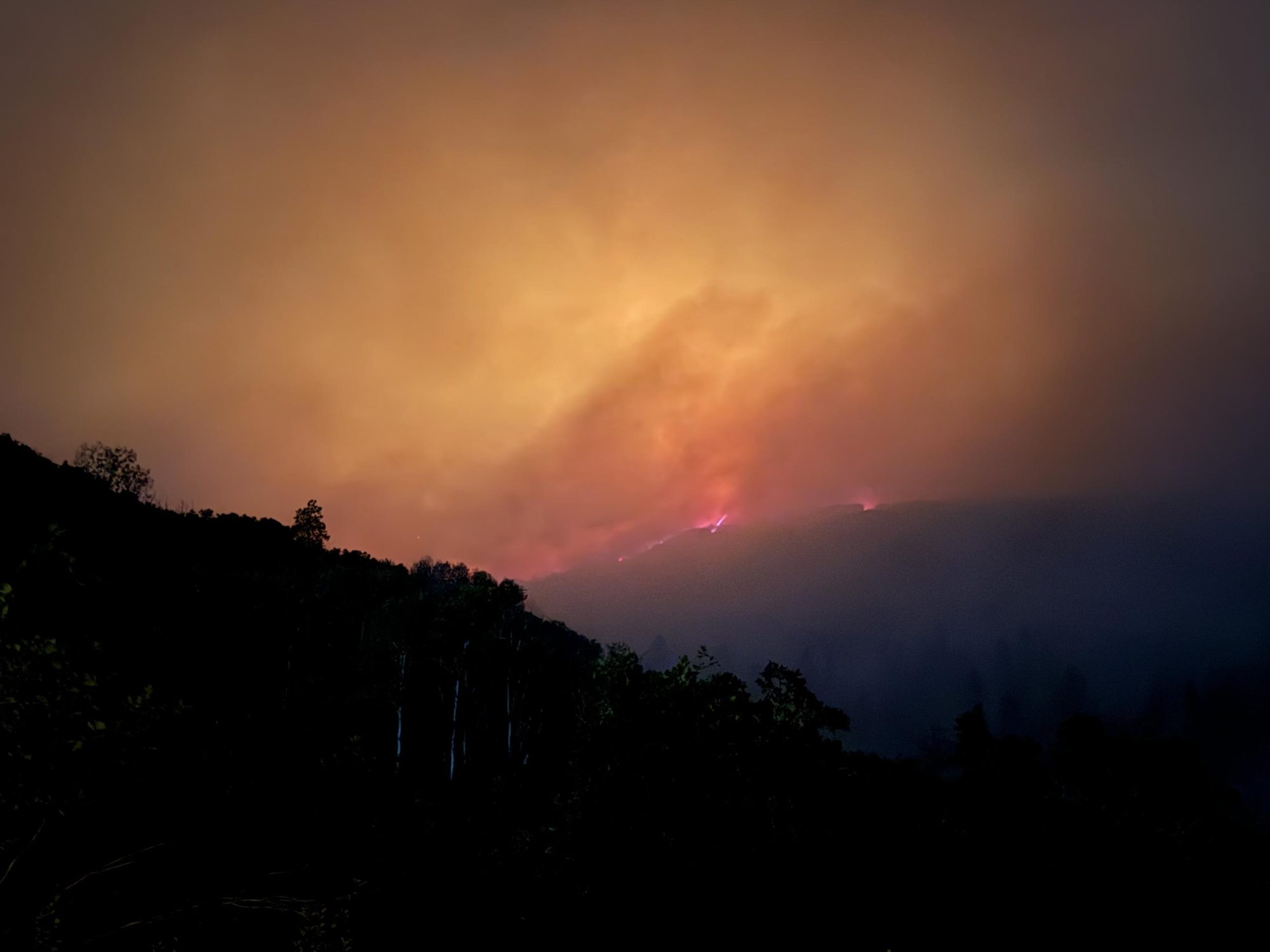
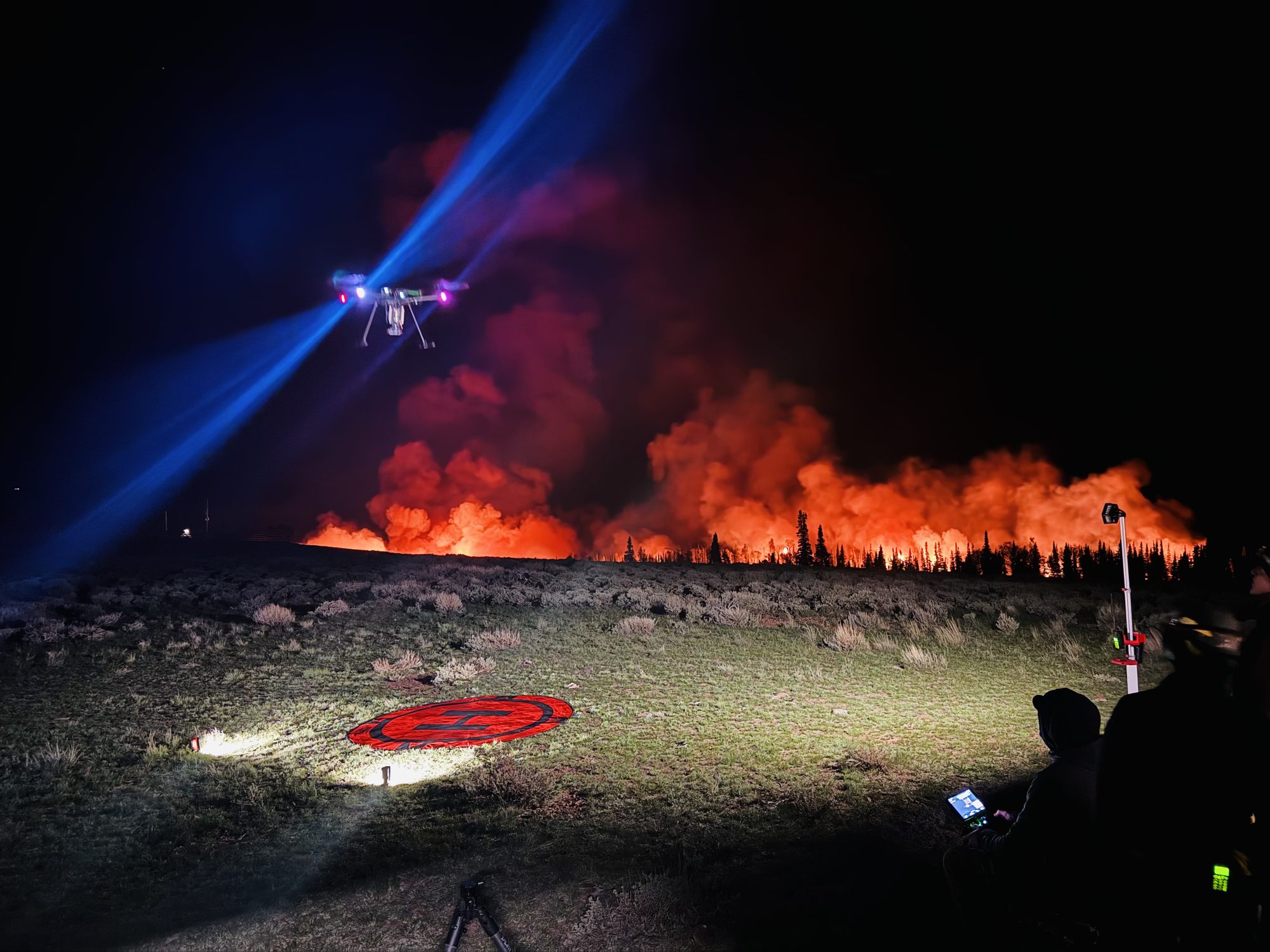
A manual PAR ties up a tactical channel and leaves incident command holding a number in their head. When every crew reports position from the phone it already carries, the last known location of everyone working the incident is on the board before anybody keys a mic.
Most of the ground you work at three in the morning does not have a street number on it.
Wildland, water, rural and large-site incidents have no addresses to give, and a big structure stops having useful ones the moment crews are above the second floor. Dispatch can send a unit to a place. It cannot tell you where that unit is standing twenty minutes later. That is the gap a shared map closes, and it is the same gap whether the call is a brush fire, a missing person or a warehouse.
A roll call is an interruption by design: everybody stops, one company at a time answers, and command writes down a number that is already going stale. Position reporting runs in the background instead, so a PAR confirms what the board is showing rather than assembling it from scratch. The report still gets made, on the same schedule and by the same person. It just is not the only place the information lives.
The second and third alarm bring departments running their own radios, their own dispatch and their own vendor. None of that has to change for them to appear on your map. TAK is an open standard, the clients are free, and a neighboring department joins your server with the phones its members are already carrying. No license to buy on their side, and nothing on yours to rip out.
Callsigns on the map read the way the incident already reads on the board: by Division where the assignment is geographic, by Group where it is functional. Nothing here asks incident command to learn a second structure, and nothing replaces the tactical worksheet. It puts the positions behind it.
Your server is yours. Members join it from ATAK on Android, iTAK on iPhone, or TAK Aware, all published free by the TAK Product Center. Fire and EMS run heavily on iPhones, and iTAK is the reason that is not a problem. Nothing about the picture depends on everyone buying the same thing.
Departments that do not have a systems administrator are the ones that need this most. So the server is managed and the clients are free, and what is left for the department to do is decide who gets on it.
A TAK server of your own, stood up, hosted and patched by us, with full administrator access for your department. Your data stays your record. We run the machine, you run the incident.
ATAK on Android and iTAK on iOS, both published free, for the phones already in your pocket. No handheld to procure and no per-seat client license underneath the plan.
Scan an enrollment code and a phone is on the server reporting position. No account to create and nothing to configure, which is what a volunteer roster and a mutual-aid company arriving at 0200 both need. Beacon reports through the EOTAK Server, which posts the position on to the TAK clients, so the phone never talks to TAK infrastructure directly. Android and iOS.
Everything the server received is kept, so the timeline of who was where and when exists whether or not anybody remembered to write it down. MARS is how you read it back, and it is on every plan.
Position history is recorded while the incident runs, not reconstructed from memory two days later. MARS rebuilds the whole run from what the server already kept: scrub the timeline, watch where crews actually were, and take the answer out in a format the file will accept. It replays a finished incident and only a finished incident. Accountability during the call and review after it are two different jobs, and we keep them apart.
One plan, billed by the year, with the rate per user falling as the seat count rises. A twelve-person volunteer company pays $1,404.00 a year. A hundred-seat department pays $8,880.00. Every threshold is published on the rate card, so you can size this against a line item, or against a grant application, without booking a call with anybody. MARS is included at every seat count.
Response technology is generally an eligible equipment category under AFG, and it is worth positioning as operational equipment that improves accountability rather than as a software purchase. There is no minimum department size either: the seat minimum is one, and a volunteer company of twelve runs the same server software a metro runs. Agencies handling criminal justice information can add CJIS, SOC 2 and NIST 800-53 compliance for a flat $10,800.00 per server, per year.
Managed TAK servers priced per user, per year, with the rate falling as the team grows. MARS included on every server.
CLARKSVILLE, TN · +1 (931) 266-0888